I believe there are correlations, chronologically as well as socio-historically, between the abolition of slavery in the Americas (as decided by individual European countries) and the dismantling of city walls/city fortifications in European capital cities during the 1830’s-1860’s. While these two very different processes have not been correlated before, I believe this time period and these historical manifestations are an example of the transformation of morality and ethics domestically and internationally (abroad in the colonies) during the 19th century.
Read moreGrowing Up With Geographies of Black Feminism: Proximity to Greatness & Greatness in her own right
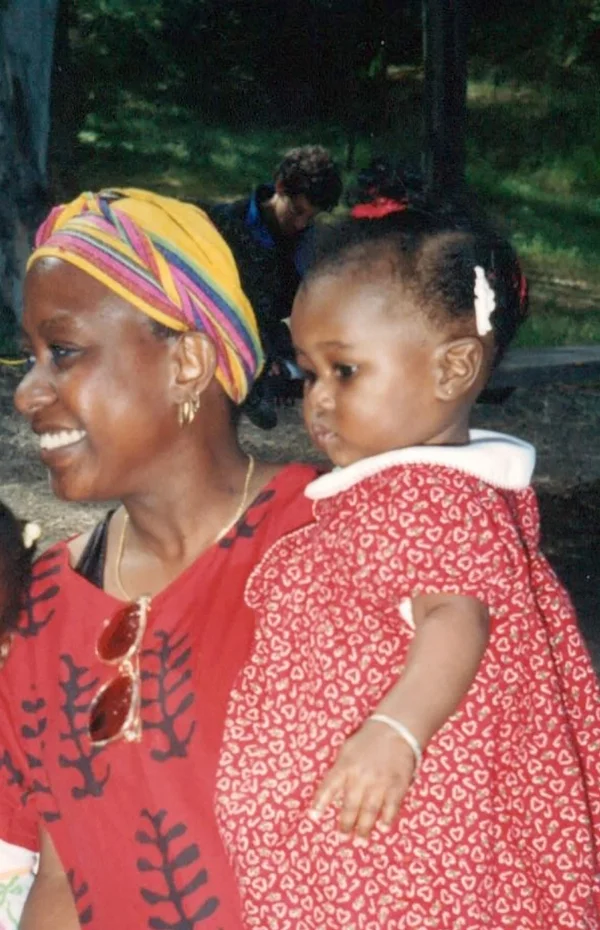
Did I ever tell you my mum shared an office with Angela Davis at SF State in the 1980’s and was called to teach one of her classes when Angela got into a small accident? Did I tell you my mother and my father married in Barbara Christian’s backyard and Barbara was one of the first supporters of my mother’s PhD project? Did I tell you one morning at church my mother introduced me to a woman as “her friend Alice (Walker)?” Did I tell you she knew Danny Glover when he was driving taxis in Oakland? Did I tell you one day in a store a woman we didn’t know came up to my mother and said: “Are you Opal Adisa?” Did I tell you she got her PhD from UC Berkeley the year after I was born?
Read moreGeography Informs Solidarity: I Have Seen Africans Become Black (Politically)
Tsedal thinks of the identification with Blackness as more of an internal realization, rather than acceptance of something imposed from the outside. Although, identifying as Black is influenced by both internal and external factors. This identification with Blackness in the United States by Americans, Africans, and Caribbean people alike as well as in Europe by Afropeans, Black Europeans, and Africans in Europe is a political act of solidarity with the Black Diaspora and global Black experience. There is no one way of being Black and there is no universal Black experience. However, there are similarities and patterns of the treatment of Black people in Western nations. Additionally, there are cultural patterns within music, food, fashion, parenting, and art that can be seen in many Black communities.
Read moreA List: Things in European and North American City Culture that Exist because of Colonialism

We love our cafe culture here in Europe, but our tea and coffee would not be sweet without the molasses imported from the colonies in the Americas, specifically the West Indies (Jamaica, Barbados, etc) and French colonies. We would have no tea diversity or variety without colonization in Asia, and it certainly would not be so cheap. For all those coffee lovers, you mostly realize where the coffee you drink comes from when cafes have names for them like: “Colombian Java” or “Jamaica’s Blue Mountain Coffee.”
Read more
Quisque iaculis facilisis lacinia. Mauris euismod pellentesque tellus sit amet mollis.